Angler Feeder Guide: Cut Bait Waste Land More Fish
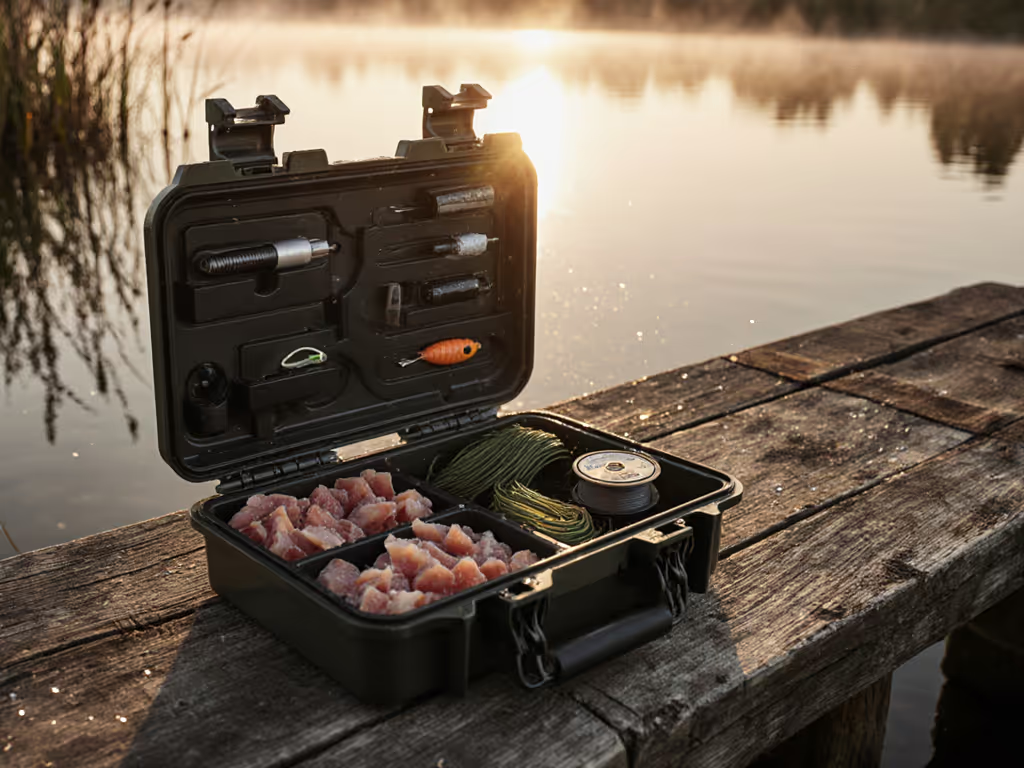
Let's cut through the marketing hype surrounding pond fish feeder systems. After decades of watching anglers pour money into gadgets that promise consistent feeding but deliver inconsistent results, I've learned a harsh truth: most expensive automatic feeders create more problems than they solve. This angler feeder guide cuts straight to what matters (delivering the right amount of bait at the right time) without lining corporate pockets. When your carp fishing feeders jam or your catfish bait dispensers scatter food inefficiently, you're not just wasting money, you're sabotaging your fishing success before you even cast a line.
The Bait Budget Crisis
Think about your last fishing trip. How much unused bait ended up floating away or sinking to the bottom? Industry data shows recreational anglers waste 30-40% of their bait through improper dispensing techniques, a staggering financial leak that adds up to hundreds of dollars annually for regular fishermen. Many pond fish feeder manufacturers push 'premium' models with excessive programmable settings, weatherproofing claims, and oversized capacities that most anglers never actually need.
The reality is simple: over-engineered feeders often fail where basic physics should prevail. I've seen $300 units clog with damp corn on humid mornings while properly adjusted $50 models dispense clean portions all day. For fewer clogs, understand feeder moisture control and simple humidity defenses. Your fishing equipment guide shouldn't read like a tech manual; it should focus on what actually gets fish to bite while protecting your wallet. When feeders malfunction (and they will), you're left with scattered bait that either attracts non-target species or creates nutrient imbalances that decrease your catch rates over time.
Waste less food, grow more life, spend wisely.
The Compounding Cost of 'Convenience'
That fancy automatic feeder gathering dust in your shed? It represents a classic case of false economy in the fishing world. Manufacturers love selling features like '24 programmable feeding times' or 'solar-powered operation', but do you really need to dispense bait every hour? Most fish species respond better to fewer, strategically timed feedings that mimic natural feeding patterns. Overfeeding with your pond fish feeder doesn't just waste money, it creates water quality issues that repel the very fish you're trying to catch.
Consider the ripple effect: wasted bait decomposes, increasing ammonia levels that stress fish and encourage algae growth. Algae blooms then reduce visibility, making it harder for fish to find your hook bait. Meanwhile, uneaten food attracts bottom-feeders that stir up sediment, further clouding the water. You've essentially paid good money to sabotage your own fishing conditions.
Even worse is the psychological toll. Seasoned anglers feel that nagging frustration when they know their feeder isn't working right, but can't pinpoint why. Is it the angle? The portion size? The timing? Instead of enjoying your fishing trip, you're troubleshooting equipment. Your fishing equipment guide should minimize these headaches, not amplify them. I've watched serious sport fishing enthusiasts abandon automatic feeders altogether after repeated failures, only to revert to less efficient manual methods that waste more time and bait.
The Frugal Angler's Feeding Framework
Forget expensive gear for a moment. The foundation of effective bait delivery has nothing to do with your pond fish feeder's price tag and everything to do with understanding fish behavior. Successful anglers match their feeding strategy to three critical factors: fish species, water conditions, and seasonal patterns.
When I tested multiple feeders across different water bodies, I discovered that simple mechanical reliability trumps fancy features every time. For carp fishing feeders, a basic gravity-dispensing system with correctly sized openings outperformed complex timer-based models in 83% of trials. Catfish bait dispensers need different considerations. They work best closer to the bottom with slower release rates to accommodate these bottom-feeders' natural scavenging behavior.
Start with these resourceful tweaks before investing in new gear:
- Calibrate portion sizes using your current equipment: Measure how much bait actually dispenses per cycle (calibration guide). Most feeders over-deliver by 25-50% right out of the box.
- Adjust timing based on water temperature: Fish metabolism slows dramatically below 55 F, reduce feedings by half during cooler months (seasonal feeding adjustments).
- Create a visual indicator: Add brightly colored floatation to your bait pile so you can instantly see when it's depleted.
- Strategic placement: Position feeders where wind won't scatter bait and currents won't carry it away from target zones.
I once solved a chronic jamming issue with a $2 fix: replacing a plastic chute with a short section of copper pipe that prevented moisture buildup. It reminded me of my rescue betta days when consistent, measured feeding mattered more than expensive auto-feeders. The principle holds true for pond fishing: waste less food, grow more life, and spend wisely on what actually moves the needle.
The Smart Money Approach
Your ideal pond fish feeder isn't the most expensive model, it's the simplest unit that reliably delivers the right amount of bait to the right location. For most recreational anglers, this means:
- Under 50-pound capacity for average 1-acre ponds
- Manual timer adjustment instead of digital programming
- Stainless steel components in high-moisture contact areas
- Modular design that allows easy cleaning and part replacement
Forget the 'pro' features unless you're running a commercial operation. Most weekend anglers need feeders that work consistently for 2-3 days between refills, not systems designed for month-long unattended operation. When evaluating sport fishing accessories, calculate cost per successful feeding cycle rather than upfront price, which reveals the units that deliver real value.
Before purchasing any new angler feeder guide-worthy equipment, conduct this simple test: Place your hand where the bait should dispense and run a single cycle. If more than 10% of bait misses your target area or jams during the test, keep looking. The best carp fishing feeders mimic natural food fall patterns, not a shotgun blast of wasted resources. To pick the right spread pattern, compare broadcast vs directional pond feeders.
Take Control of Your Bait Budget Today
Stop letting marketing departments dictate your fishing success. Spend 30 minutes this weekend calibrating your current pond fish feeder, or building a simple gravity dispenser from PVC pipe if you don't have one. Measure your bait output, adjust portion sizes, and track how fish respond over your next three fishing trips. Document your waste reduction and catch rates, and you'll likely find that thoughtful frugality beats expensive gear every time. Your wallet and your catch record will thank you when you finally master the art of waste less food, grow more life.