Sick Fish Feeding: Adapt Your Fish Feeder Guide
By Mei-Lin Zhou • 4th Dec
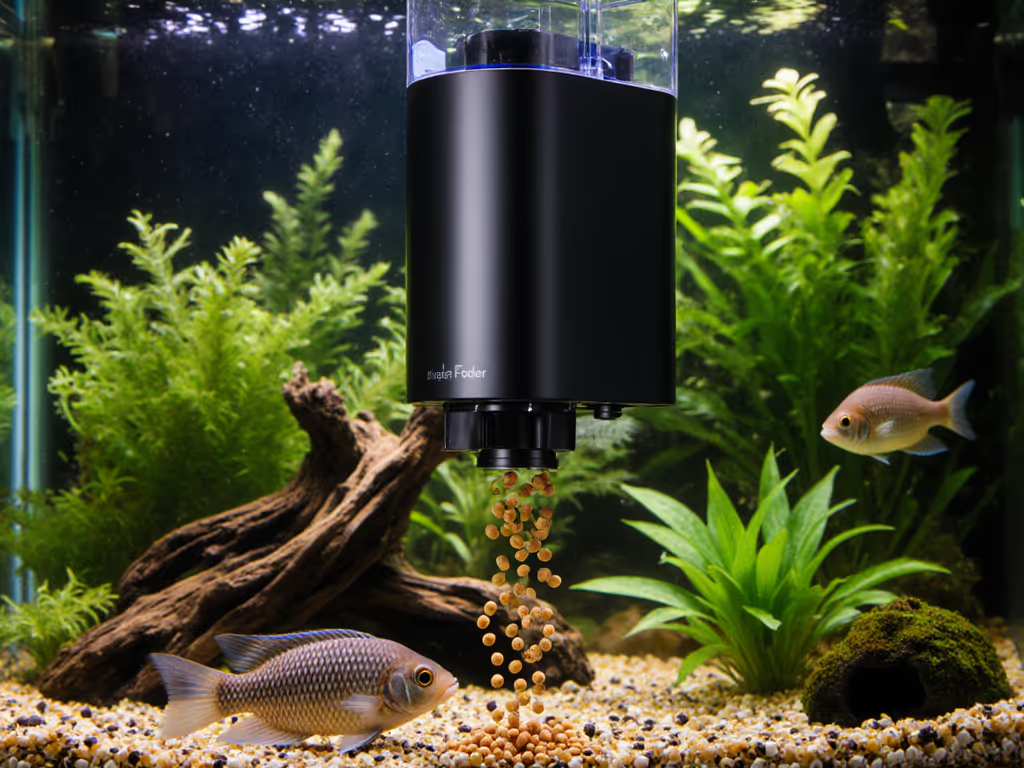
When your fish shows signs of illness, their feeding needs transform dramatically. Understanding medical condition feeding becomes essential, not as an extra chore, but as an act of compassionate care. This is where fish health feeder adaptation shifts from routine maintenance to life-support. I remember a young neighbor sobbing because her guppies vanished in cloudy water; she'd overfed them out of love. That moment taught us all restraint is care. Today, I'll guide you through adapting feeding practices for sick fish, gently, methodically, and without overwhelming you or your aquatic companions.
As someone who's mentored hundreds of new keepers, I've seen how stress over sick fish stems from uncertainty. You're not alone in fearing missteps with sick fish feeding protocol. But here's what I know: observation (not gadgets or guesses) is your most powerful tool. When fish struggle, their bodies speak through subtle cues. Our job is to listen, adjust, and provide exactly what they need, nothing more. Let's rebuild your confidence together.
Why Standard Feeding Fails Sick Fish
Healthy fish thrive on consistency, but illness disrupts their metabolism and digestion. For the biology behind why overfeeding worsens water quality, see our science-backed fish feeding guide. Standard portions become dangerous:
- Overfeeding stresses compromised organs, worsening conditions like dropsy or swim bladder disorder
- Undigested food rots in tanks, spiking ammonia during critical recovery periods
- Medicated foods require precise timing that clashes with automated schedules
Start small, observe closely, let the fish teach you. This isn't just advice (it's the foundation of humane care).
When a fish is ill, their nutritional needs shift toward easily digestible proteins and immune-boosting nutrients. Yet many well-meaning keepers default to fasting or force-feeding complex mixes. The truth? Most sick fish need less food, not none, and what they eat must align with their aquatic veterinary feeding requirements. For instance, bacterial infections demand antibiotic-treated foods without competing supplements, while parasites require deworming agents in precise doses.
Step 1: Observe Before You Adjust
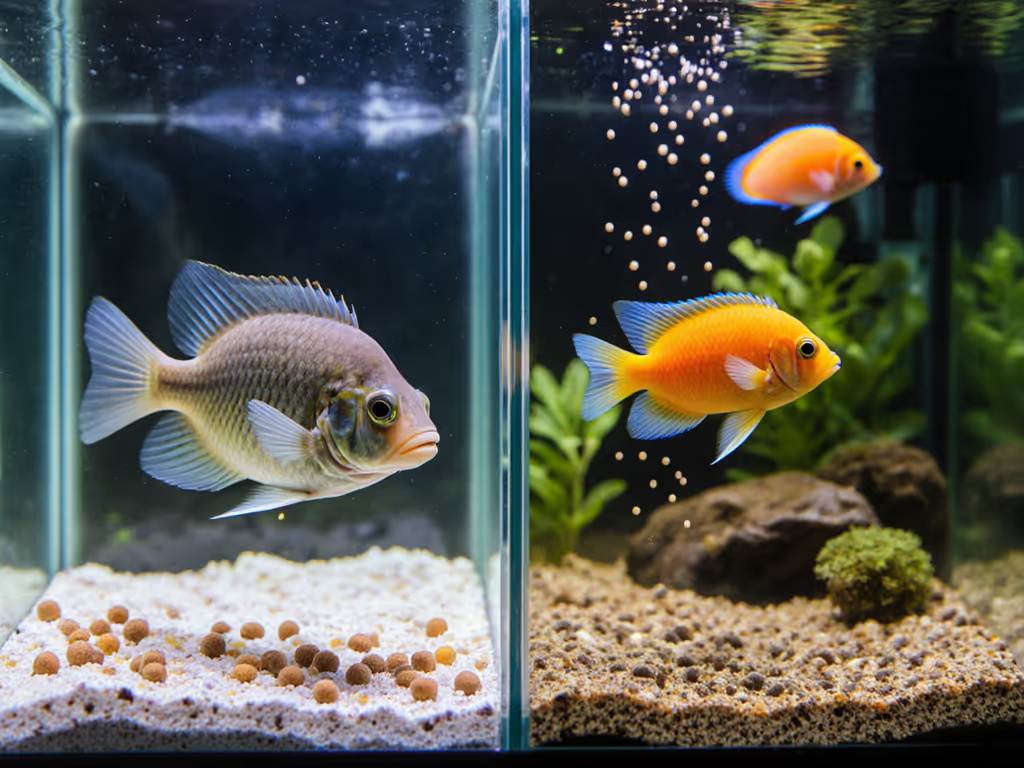
Your first 24 hours with a sick fish should involve zero feeding changes. Instead:
-
Track baseline behavior:
- Note when they attempt to eat (or ignore food)
- Watch for clamped fins, labored breathing, or surface gasping
- Check for white spots, bloating, or frayed fins
-
Document water parameters:
- Test ammonia/nitrite before and after feeding
- Record changes hourly if symptoms worsen
-
Identify feeding reluctance causes:
- Is it physical (mouth lesions, swim issues)?
- Or systemic (lethargy from infection)?
This observation phase reveals whether your fish needs a modified medicated feeder setup or an entirely different nutrition strategy. If isolation or medicated feeding is required, follow our quarantine auto-feeder guide. I once helped a club member whose cichlid refused food (it turned out a sharp rock injured its mouth). Once we softened the diet and removed the hazard, recovery began swiftly.
Step 2: Adapt Portions & Frequency (Safely)
Never eliminate food abruptly unless directed by a vet. Instead:
- Reduce portions by 50% but feed twice daily, smaller meals ease digestion
- Soak flakes/pellets 10 minutes in tank water to soften them
- Switch to nutrient-dense foods:
- For bacterial issues: Frozen daphnia (gentle on gut)
- For parasites: Pea mash (natural dewormer)
During medication cycles, time feedings after dosing. If using antibiotics like Maracyn, withhold food 1 hour pre-treatment to ensure absorption. Remember: medicated foods lose potency if left uneaten, so remove leftovers after 5 minutes. A simple way to prevent waste is using a feeding ring—learn how in our feeding ring guide. This aligns with fish disease nutrition principles (every morsel must count toward healing).
Crucially, never combine multiple treatments (e.g., antifungal + dewormer) without professional guidance. I've seen keepers accidentally cancel medications by overlaying protocols, a heartbreaking setback when fish are fragile.
Step 3: Handle Special Cases With Care
Some scenarios require nuanced approaches, but stay within your comfort zone:
- Tube feeding (for severe cases): Only attempt if trained. Mix high-protein gel with water (not supplements) to 2-4% of body weight. Force-feeding stresses fish; reserve it for vet-directed emergencies like seadragon recovery.
- Medicated food preparation: If your fish reject soaked pellets, pulse frozen bloodworms with medication. Never heat-treat medicated food (this destroys active ingredients).
- Water quality safeguards: During treatment, do 25% water changes before feeding. This prevents toxin buildup from undigested food (a common killer during recovery).
If your fish won't eat after 48 hours, pause and reassess. To encourage eating without stress, try our acclimate fish to auto feeders protocol. Is the tank too bright? Are tank mates harassing them? Often, environmental tweaks (not aggressive feeding) resolve the issue. This is where beginner-proof routines shine: simple observation reveals solutions tech gadgets miss.
When to Seek Help (And What to Tell Your Vet)
Your role isn't to play veterinarian; it is to gather clear data. If:
- Symptoms persist beyond 72 hours
- Multiple fish show illness
- No improvement after completing treatment
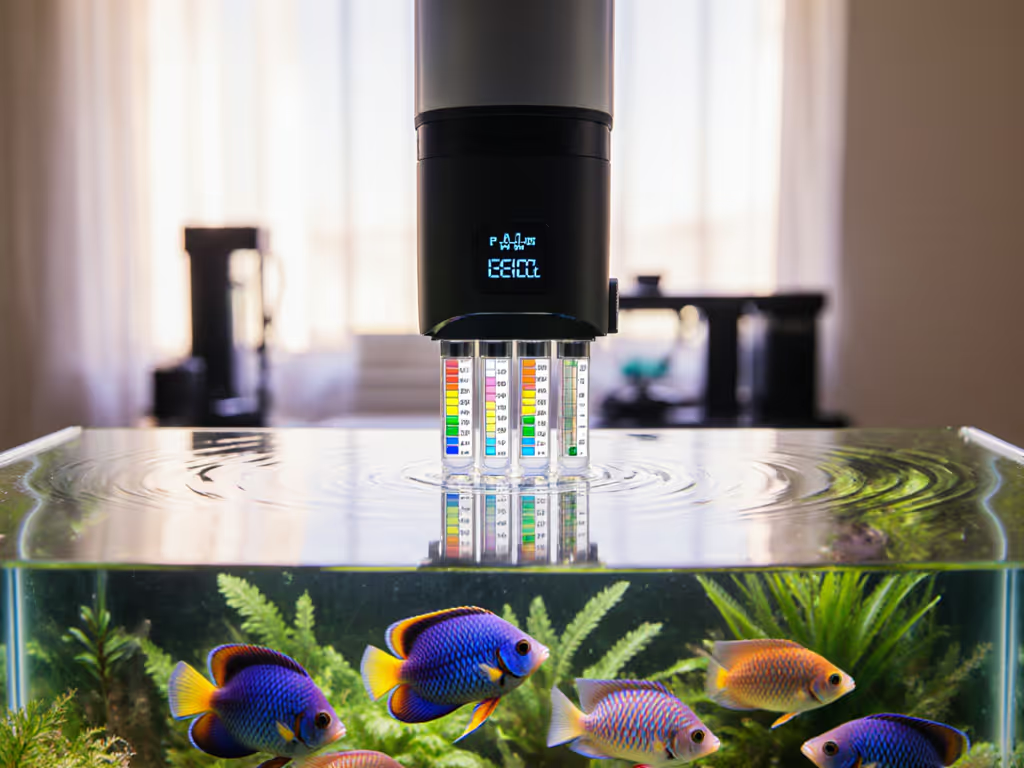
Take photos of feeding attempts and water test strips to your aquatic vet. Note:
- Exactly what and when you fed
- How long food remained uneaten
- Behavioral changes post-feeding
This transforms vague concerns into actionable aquatic veterinary feeding insights. A local vet once traced recurring ich outbreaks to a keeper's well-meaning habit of adding garlic supplements (they had neutralized the medication). Precise records prevent such tragedies.
Gentle Progression Back to Routine
Recovery isn't linear. As symptoms improve: Before restoring automation, recalibrate settings with our feeder calibration guide.
- Gradually increase portions over 5-7 days
- Reintroduce variety (e.g., one bloodworm daily)
- Restore automated feeders slowly, start with 50% capacity
During this phase, monitor feces closely. Healthy waste is firm and tapered; stringy or white feces indicates lingering digestive issues. Patience here prevents relapse, a lesson from that neighbor's guppies: their return to clear water and playful feeding taught her family that restraint isn't neglect. It is respect.
You've navigated one of aquarium keeping's most tender challenges. By adapting feeders through observation (not fear), you've given your fish the dignified care they deserve. Remember, every adjustment made with mindful attention strengthens your bond with these quiet companions.
Start small, observe closely, let your fish guide you toward the calm, thriving tank you both deserve.
Related Articles