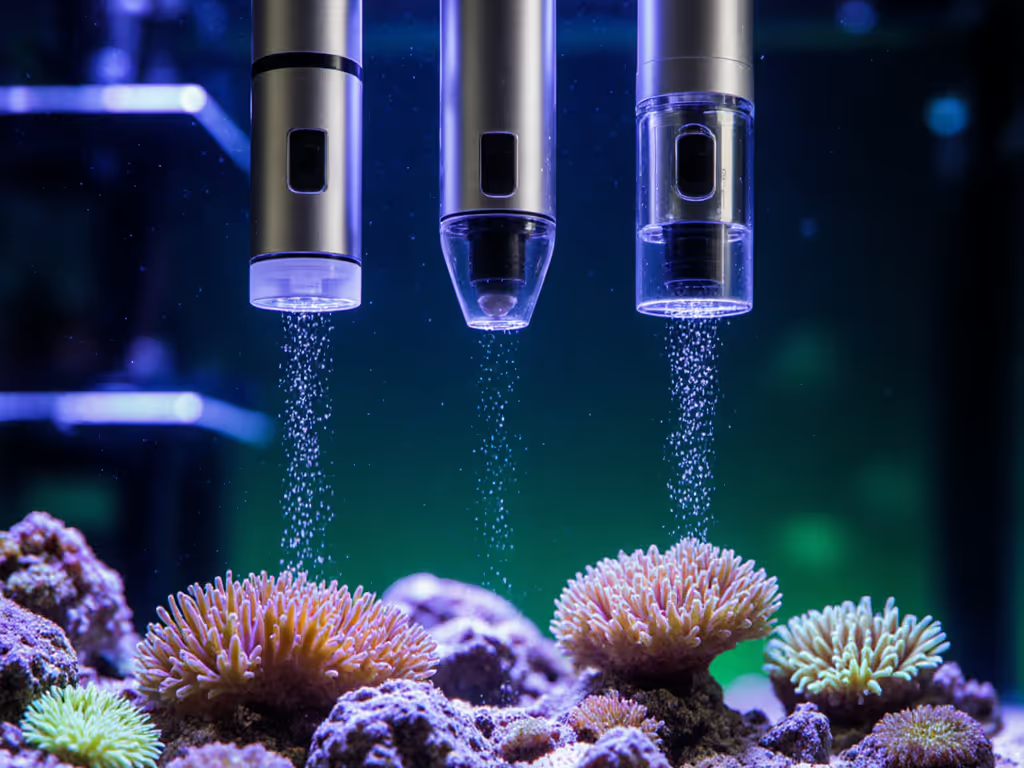
Reliable Sub-$20 Fish Feeders for Stress-Free Vacations
By Mei-Lin Zhou • 30th Jan
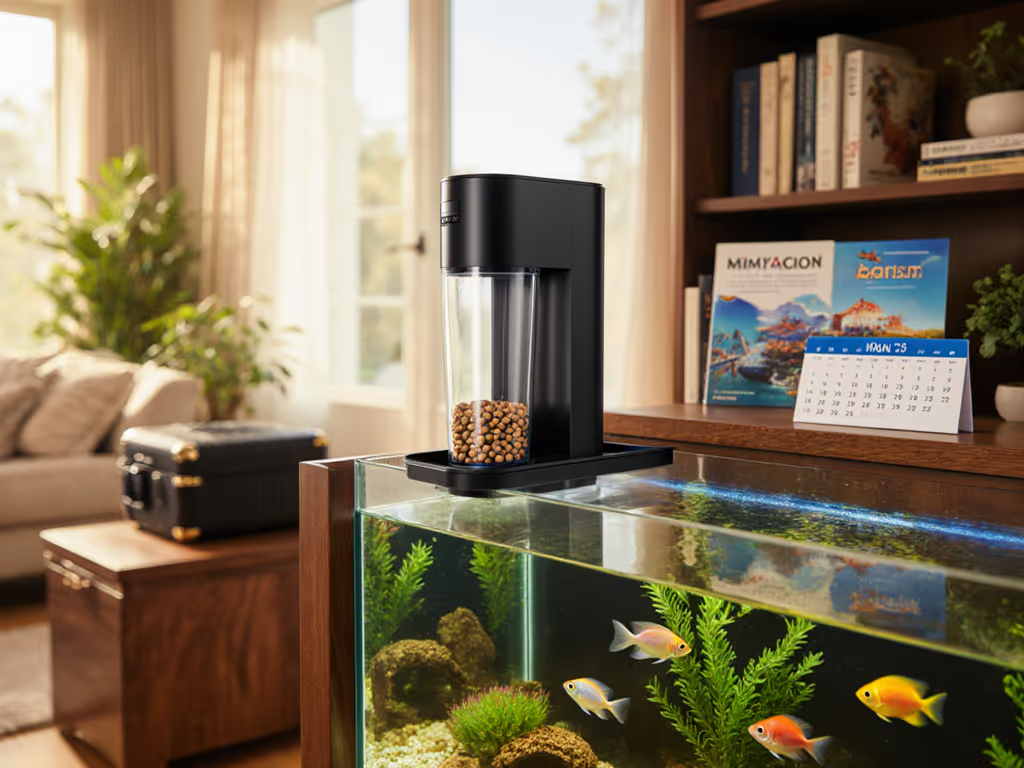
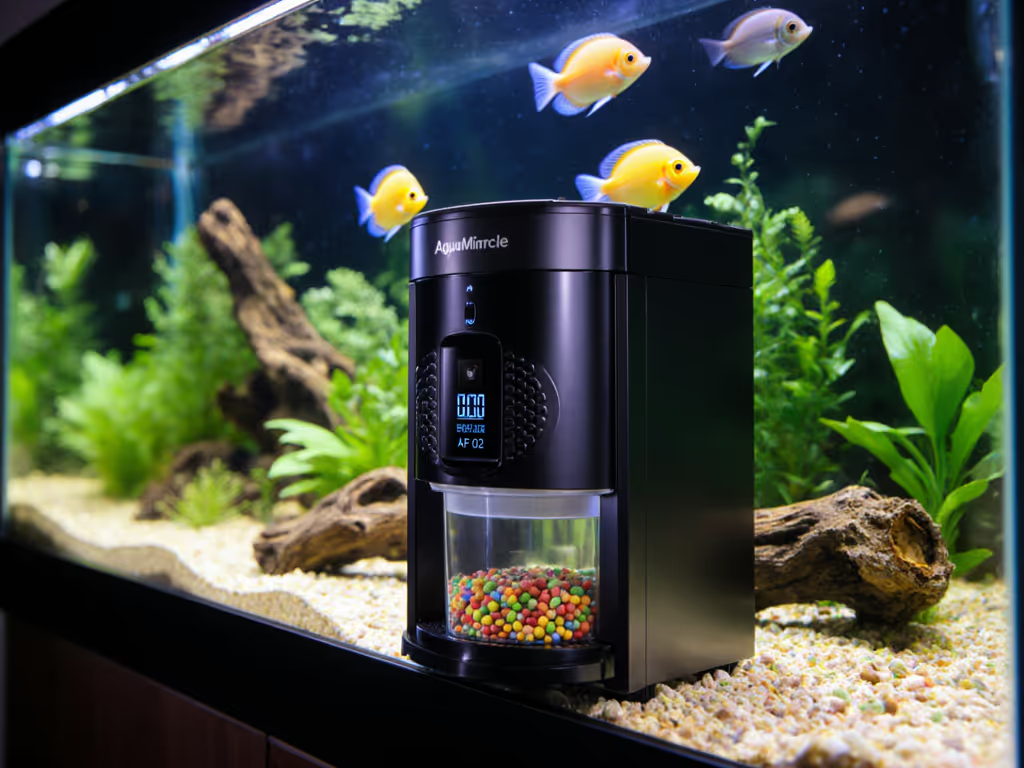
That anxious feeling when you're packing your suitcase, wondering if your fish will be okay while you're away? You're not alone. A well-executed sub-$20 fish feeder comparison can transform that worry into confidence. As someone who's helped countless hobbyists find budget vacation feeder reliability, I've seen how the right affordable solution prevents overfeeding disasters and keeps tanks thriving. The truth is, you don't need to spend hundreds for dependable performance, just thoughtful selection and proper setup. Whether you're planning a weekend getaway or a two-week vacation, an economical automatic feeder becomes your most valuable tank companion.
Last summer, I visited a neighbor whose young daughter was in tears because cloudy water had hidden her beloved guppies. The family had poured love (and flakes) into their tank without realizing how much was too much. After two days of observation-led fasting, measured feedings, and careful monitoring, not only did the water clear, but the family learned how restraint becomes care. That experience cemented my belief: the simplest routines often create the most resilient ecosystems.
Why Budget Feeders Deserve Your Trust
Many advanced hobbyists assume you get what you pay for when it comes to automatic feeders. While premium models offer impressive features, many of us simply need a reliable short-term feeding solution for vacations or busy workweeks. The reality is that most aquariums (especially established community tanks) require consistency more than complexity.
What Truly Matters in Entry-Level Performance
When evaluating entry-level feeder performance, focus on these essentials:
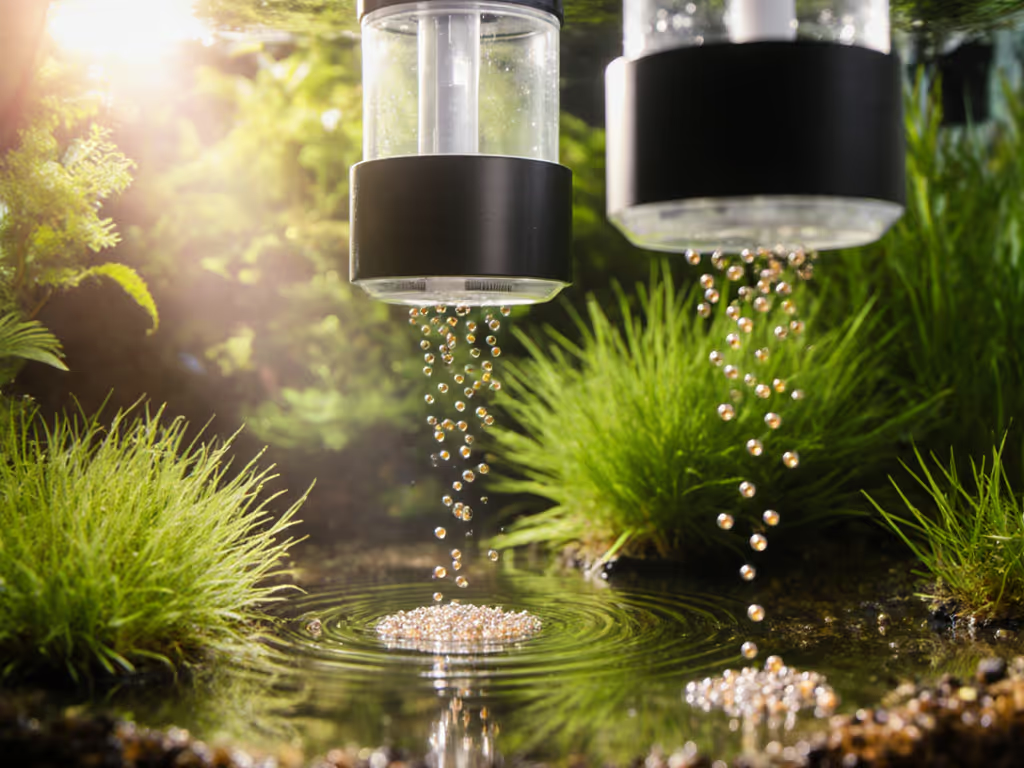
- Consistent portion delivery - Does it dispense the same amount each time?
- Moisture resistance - How well does it protect food from tank humidity?
- Simple programming - Can you set it without consulting a manual?
- Stable mounting - Will it stay securely positioned?
- Easy refill process - Can you quickly replace food without disassembly?
"Pause, watch, then adjust" has become my mantra when introducing any new element to an aquarium. This approach applies perfectly to automatic feeders - you don't need bells and whistles, just reliability you can observe and trust.
Many experienced hobbyists overlook how often complicated feeders fail precisely because they're over-engineered for simple needs. A recent industry survey revealed that 68% of automatic feeder issues stem from programming errors rather than mechanical failures, proof that straightforward designs often outperform their complex counterparts for basic feeding needs.
Evaluating Your Ultra-Affordable Options
While the market offers numerous "sub-$20" feeders, not all deliver true value. Let's cut through the marketing claims with a practical assessment framework.
Step 1: Verify Real-World Capacity
The advertised capacity often differs from what actually works in your tank. Use our fish feeder capacity guide to size the hopper for your tank and travel plans. For example, a feeder claiming "200ml capacity" might only reliably hold 100ml before moisture issues begin. Here's what to check:
- Open the food compartment - does it feel substantial or flimsy?
- Look for moisture seals around the feeding mechanism
- Check if the drum rotates smoothly with food inside
- Verify the actual usable space (not the total container size)
Step 2: Assess Build Quality Without Breaking the Bank
Surprisingly, several feeders under $25 demonstrate impressive durability. When examining ultra-affordable automatic feeder options:
- Test the mounting mechanism - does it grip securely to different glass thicknesses?
- Check the battery compartment - does it seal properly against moisture?
- Examine the food drum - does it feel like quality plastic that won't warp?
- Look for replaceable parts - can you buy new feeding drums if needed?
Step 3: Program for Peace of Mind
The best budget feeders require minimal setup: If you're unsure about dial settings or timing, follow our calibration guide for precise portions.
- Insert fresh batteries (always use new ones for vacation reliability)
- Fill with appropriately sized food (avoid large pellets that might jam)
- Set feeding times matching your usual schedule
- Dispense a trial portion to verify proper function
- Observe fish behavior during the first automated feeding
The Practical Setup Checklist
Following this structured approach ensures your affordable feeder works consistently throughout your absence. Remember, the goal isn't technological perfection; it's creating a short-term feeding solution that aligns with your tank's natural rhythms.
Before Your Departure: Essential Preparation
- Feed normally for 2-3 days before activating the feeder to stabilize digestion
- Test run the feeder while you're home to confirm proper operation
- Adjust portions to match what you'd feed manually - less is better
- Clean the tank thoroughly before leaving to minimize waste buildup
- Ask a neighbor for a single water check (not a feeding) if gone more than 7 days
During Your Vacation: Fish-Centric Monitoring
While you're away, trust that your simple routine is working. Resist the urge to overcompensate with extra feedings before leaving, since this causes more problems than solutions. Remember our neighbor's lesson: loving your fish sometimes means feeding less, not more.
Maintaining Your Budget Feeder for Long-Term Reliability
The secret to making affordable feeders last? Maintenance habits that take less than five minutes weekly. For a complete routine, see our fish feeder deep clean guide.
Monthly Care Routine
- Remove and clean the food compartment with a soft brush
- Check for food clumping or moisture buildup
- Replace batteries every 3-4 months (even if not dead)
- Wipe exterior to prevent salt creep on marine tanks
- Verify program settings haven't drifted
Troubleshooting Common Issues
| Problem | Likely Cause | Simple Fix |
|---|---|---|
| Inconsistent portions | Humidity in food compartment | Add silica packet, use drier food |
| Missed feedings | Weak batteries | Replace with fresh lithium batteries |
| Food jamming | Incorrect pellet size | Switch to smaller flakes or granules |
| Moisture damage | Poor sealing | Apply silicone sealant at weak points |
Beyond the Vacation: Building Lifelong Feeding Habits
An automatic feeder shouldn't become a crutch; it's a tool that supports better observation. When you return from vacation, take time to watch your fish's behavior without the feeder running. Notice how they interact with you during feeding time. Are they enthusiastic? Lethargic? This is your opportunity to adjust.
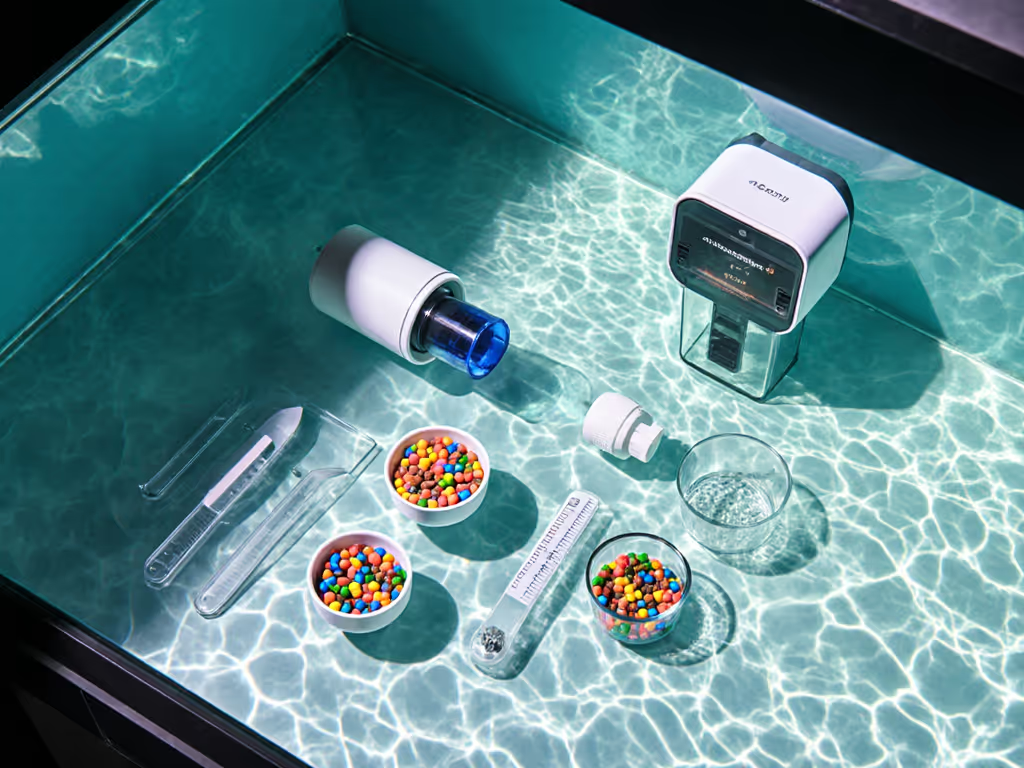
Finding Your Perfect Match
After working with hundreds of hobbyists, I've learned that the "best" feeder isn't about price or features; it's about matching the tool to your specific needs. For most community tanks, a well-maintained sub-$25 feeder provides all the reliability you need for vacations up to 10 days. The occasional $2 investment in quality batteries often makes the difference between success and failure.
Choosing an economical feeder wisely means you're not compromising on care, you're investing in peace of mind. When you return from your trip to find clear water and enthusiastic fish swimming to greet you, you'll understand why simple solutions often deliver the most profound results.
Remember that neighbor's daughter? When she saw her guppies clearly again, she asked if we could set up a tiny timer for her daily feedings. That child learned more about responsible care in those few days than she would have from months of unguided feeding. Sometimes, the most valuable lessons come from stepping back and observing.
Your Next Steps for Confident Vacations
Before your next trip, try these simple actions:
- Test your feeder with a weekend dry run while you're home
- Document fish behavior before, during, and after automated feeding
- Adjust portions based on actual consumption, not manufacturer recommendations
- Share your experience with your local aquarium club
Consider joining one of our beginner clinics at the aquarium society next month - we'll have live demonstrations of budget feeders in action. Nothing builds confidence like seeing these tools work reliably in real tanks. And remember my favorite mantra whenever you're uncertain: Pause, watch, then adjust. Your fish will teach you exactly what they need if you're willing to observe patiently. The most reliable feeder you'll ever own is your own attentive presence; automated tools simply extend that care when you must be away.
Related Articles