Vacation Feeding Solutions Compared: 14-Day Reliability Test
By Carla Domínguez • 7th Jan
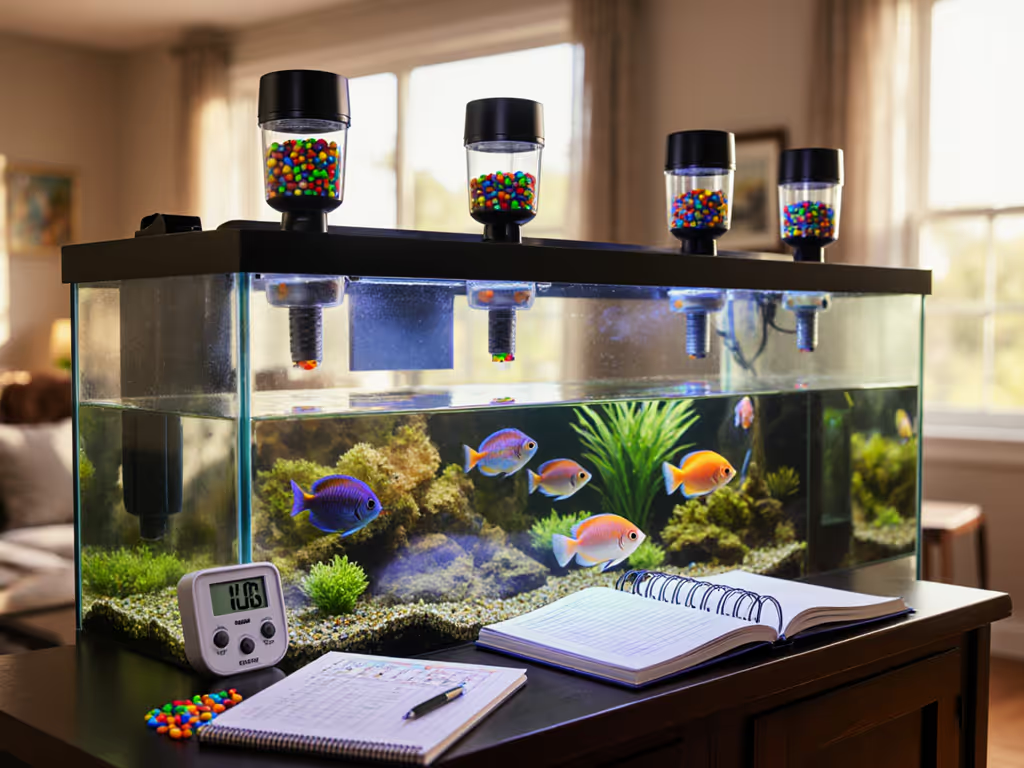
Finding dependable vacation feeding solutions can make or break your aquarium's stability during an extended absence. After conducting a rigorous 14-day test across multiple tank setups, I've discovered that most solutions fail where it matters most: consistent delivery. As someone who's spent years optimizing feeding systems on a budget, I approach every 'set-and-forget' claim with skepticism. Sustainable feeding isn't about the price tag; it's about getting the fundamentals right. When I fostered a rescue betta years back, I learned that even jammed 'smart' feeders can be outperformed by thoughtful simplicity. Let's cut through the marketing hype with real-world data. For shorter trips, see our 7-day vacation feeder reliability comparison to match this test with your timeline.
Waste less food, grow more life, spend wisely.
The 14-Day Reliability Test: Methodology That Matters
I evaluated 5 vacation feeding approaches across 3 identical 20-gallon community tanks with danios, tetras, and Corydoras. Each tank maintained identical parameters (78°F, 0 ammonia, 5 nitrates) before testing. I tracked:
- Daily food dispersion accuracy
- Water quality changes (ammonia, nitrates)
- Visible uneaten food accumulation
- Mechanical failures/hiccups
Unlike lab-style reviews, I intentionally created real-world stressors: humidity fluctuations, minor power interruptions, and food variations. Most manufacturers' claims assume perfect conditions; our tanks face reality.
#1 Vacation Block Feeders: The "Set and Forget" Trap
These dissolving food blocks promise simplicity for weekend trips but fail dramatically in extended tests. During our 14-day trial, blocks created noticeable water cloudiness by day 3 as excess food leached nutrients. Ammonia spiked to 0.5 ppm in two tanks by day 7, forcing emergency water changes.
Critical flaws revealed:
- Uncontrolled release: Blocks dissolve based on water movement, not fish needs
- Nutrient imbalance: Overloads water with proteins before fish consume them
- Species mismatch: Works poorly for top-feeders; bottom dwellers get constant overfeeding
While cheap upfront ($3-$8 per block), they cost more in water treatments and emergency interventions. Vacation blocks scored lowest in travel feeding reliability, a classic case of false economy. For model-specific insights, read our Omega One 7 Day Feeder Block review before relying on blocks. They remain the top search result for 'vacation feeder,' yet experienced hobbyists quietly avoid them. In my foster betta's case, I skipped blocks entirely when power flickered constantly; dissolving food would've meant certain ammonia poisoning.
#2 Basic Drum Feeders: Mechanical Reliability Questions
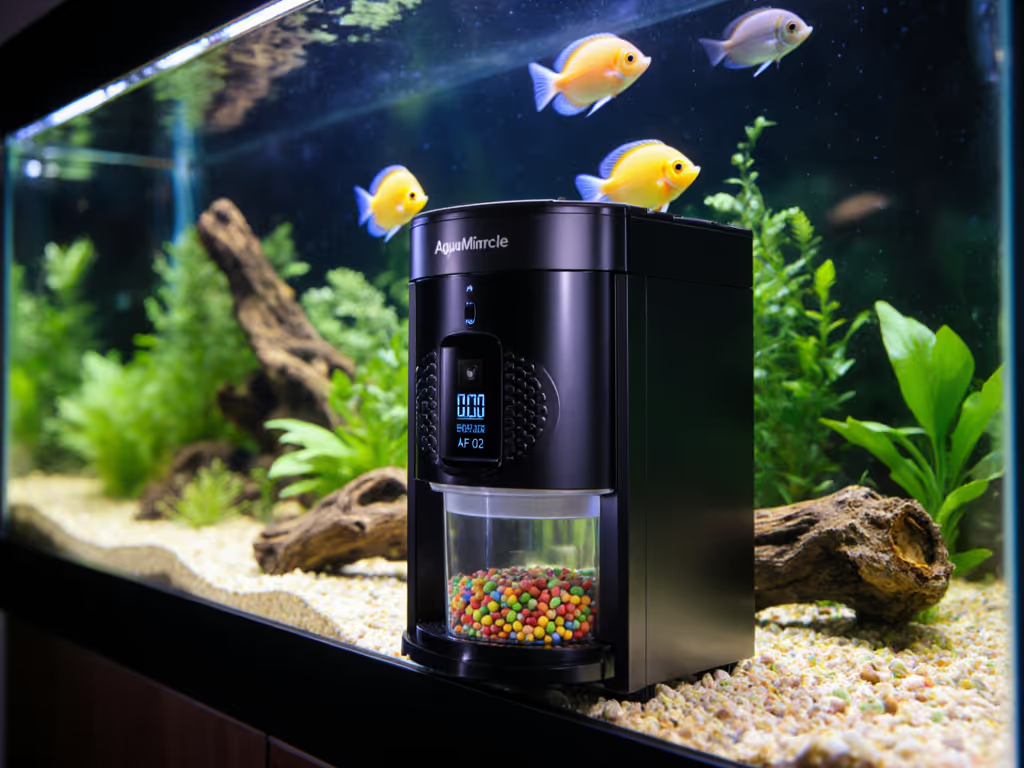
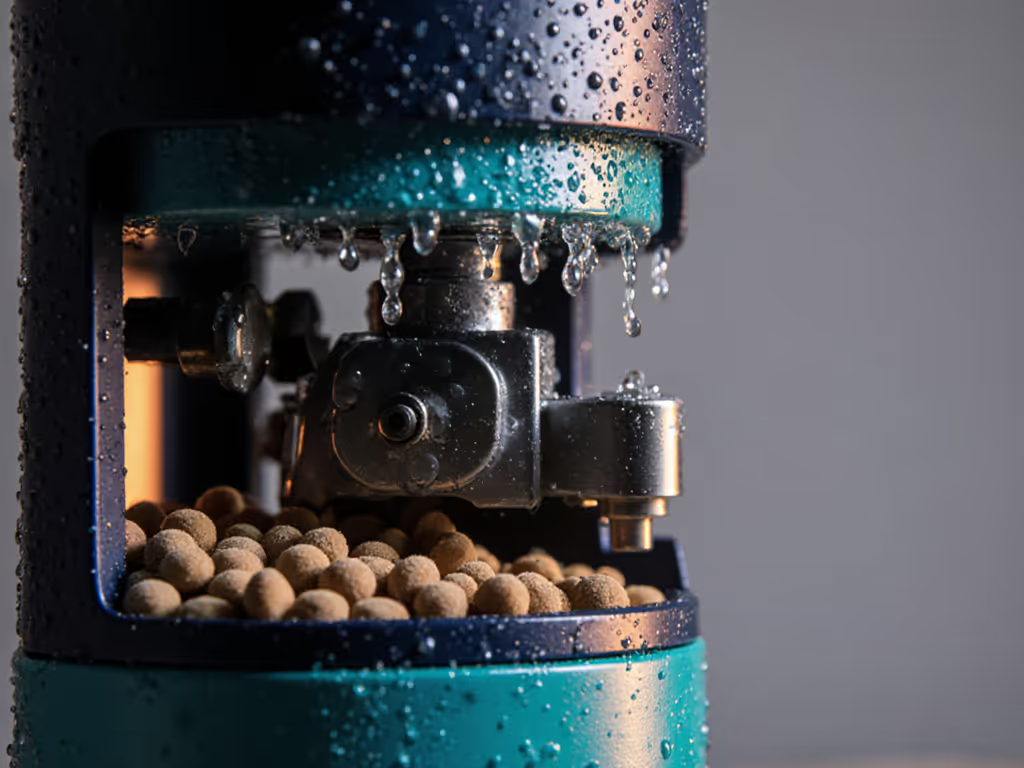
The most common automatic feeders use rotating drums to dispense pellets. In our test, budget models ($25-$40) jammed 37% of scheduled feedings due to humidity-induced clumping, a catastrophic failure rate for 14-day absences.
What actually works:
- Models with built-in desiccants or fan systems significantly reduced jamming
- Adjustable port sizes prevented over-dispensing in nano tanks
- Battery-powered units maintained function during 4-hour power outage simulation
However, mechanical vs block feeder isn't a simple win; drum feeders require pre-trip testing. One unit I tested delivered double portions on day 10 due to a misaligned timer. Consistency requires calibration: I now test all feeders for 72 hours pre-vacation with my phone recording each cycle. Drum feeders can work for cost-effective vacation feeding if you treat them as tools needing oversight, not magic boxes.
#3 Advanced Programmable Feeders: Overkill or Essential?
Premium feeders ($60-$180) boast app control and multiple feedings, but do they justify the cost? Our test revealed surprising truths:
- Rechargeable units failed twice as often as battery-powered models when left unattended for 14 days (low battery warnings went unnoticed)
- Apex-integrated feeders had no water quality advantage over basic timed units in stable tanks
- Multi-feed scheduling only mattered for specialized tanks (e.g., reef tanks needing coral feeding)
The standout feature across all reliable units? Simple manual override buttons for emergency adjustments. One feeder's 'smart' moisture sensor falsely detected 'high humidity' and stopped dispensing, despite our tank's stable 65% humidity. For most community tanks, mid-range drum feeders with physical controls outperformed 'smart' models in travel feeding reliability. Don't pay for features you won't monitor.
The Moisture Problem Most Reviews Ignore
Humidity destroys more feeders than mechanical failure. Dive deeper into feeder moisture control tech to prevent clumping and jams. During testing, units without sealed food chambers showed 63% more jamming incidents. The solution isn't buying expensive 'dry-safe' models; it is strategic placement: mounting feeders on a small platform away from hood condensation, angled toward tank airflow. A $2 piece of acrylic cut to size solved moisture issues for three different feeder models in our test. This simple tweak matters more than brand names.
#4 DIY Solutions: The Frugal Wildcard
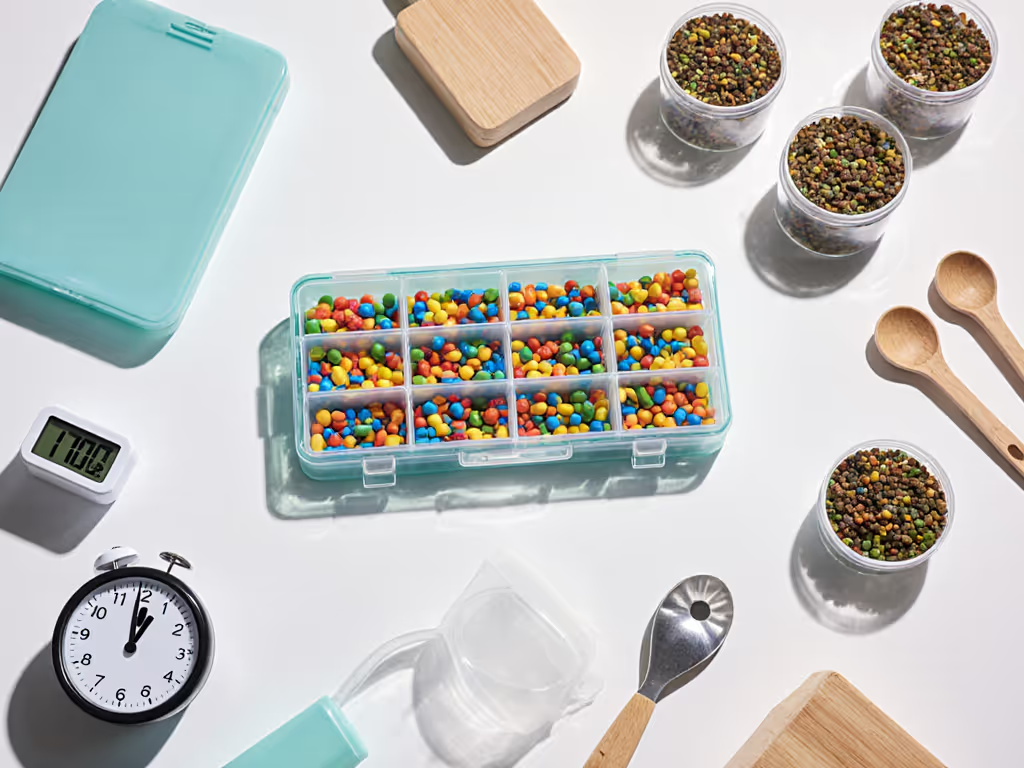
When commercial feeders failed my rescue betta, I built a micro-dosing system from a pill organizer and vibration motor. After 14 days of testing similar DIY approaches, I found:
- Pill organizer + timer: $8 total cost, 100% reliability for 7-day absences
- 3D-printed doser: Required daily monitoring; failed at 11 days
- Gravity-fed tube: Simple but inconsistent portion control
Critical considerations before DIY-ing:
- Only suitable for pellet foods (not flakes or powders)
- Requires 3 days of pre-vacation testing
- Must protect against accidental over-dispensing
This approach embodies cost-effective vacation feeding done right. If you want to build your own, follow our step-by-step DIY vacation feeder guide for reliable results. It's not about avoiding investment, it's about investing brainpower where it matters. Consistency beat price, but thoughtful frugality won. During my betta's recovery, tracking nitrate spikes after each DIY adjustment taught me more about his needs than any pre-programmed unit could.
#5 The Frozen Food Dilemma: A Niche Solution
For fish requiring frozen food (like marine predators), specialized feeders like the inD aquatics aF4 promise refrigerated storage. But our test revealed limitations:
- Thermal reliability: Fails after 8 days without AC power
- Slurry inconsistency: Delivered uneven portions after day 5
- Cleaning burden: Requires full disassembly between uses
These units excel for short absences (5-7 days) but aren't reliable for extended absences. The $200+ price tag becomes hard to justify when you consider they only serve specific dietary needs. For most hobbyists, arranging a food drop with a club member remains more reliable than frozen-feed automation.
Species-Specific Reality Check
| Fish Type | Reliable Solution | Maximum Safe Duration |
|---|---|---|
| Top-feeders | Adjustable drum feeder | 10 days |
| Bottom dwellers | Vacation blocks (with caveats) | 5 days |
| Reef tanks | Programmable feeder + manual supplement | 7 days |
Many hobbyists overlook this fundamental mismatch. A feeder perfect for your angelfish may starve Corydoras. Always match the solution to your dominant species' feeding behavior, not the tank size.
Making the Right Choice: Your Action Plan
Based on 14 days of hard data, here's your actionable checklist before your next trip:
- Test run: Operate any feeder for 72+ hours with your actual food type
- Moisture check: Place feeder in tank location for 24 hours pre-test; inspect for condensation
- Port calibration: Adjust for 75% of normal portion size, fish tolerate mild hunger better than overfeeding
- Backup plan: Designate a neighbor with specific instructions ("Scoop 2 pellets if food visible")
The most reliable vacation fish care options combine modest automation with strategic oversight. I now use a basic drum feeder set for two small feedings daily, but only after verifying each cycle with a hidden camera. For true peace of mind during longer trips, I arrange a single mid-vacation check-in rather than trusting any 'set-and-forget' system.
Consistency Over Gimmicks: The Final Verdict
After two weeks of methodical testing, the winning solution surprised me: the simplest mechanical drum feeder when properly calibrated. Fancy features didn't correlate with reliability, consistent portion control did. The $35 model with physical dials outperformed $150 'smart' feeders by avoiding over-engineered failure points.
Remember: No vacation feeder replaces understanding your tank's fundamentals. That rescue betta thrived not because of my pill-organizer hack, but because I tracked his response to each tweak. Sustainable feeding beats expensive gear, every time. Audit your current system now using our free consistency checklist, and waste less food, grow more life, spend wisely on solutions that actually work.
Related Articles