Seasonal Pond Feeding: Temperature Rules Everything
By Carla Domínguez • 28th Apr
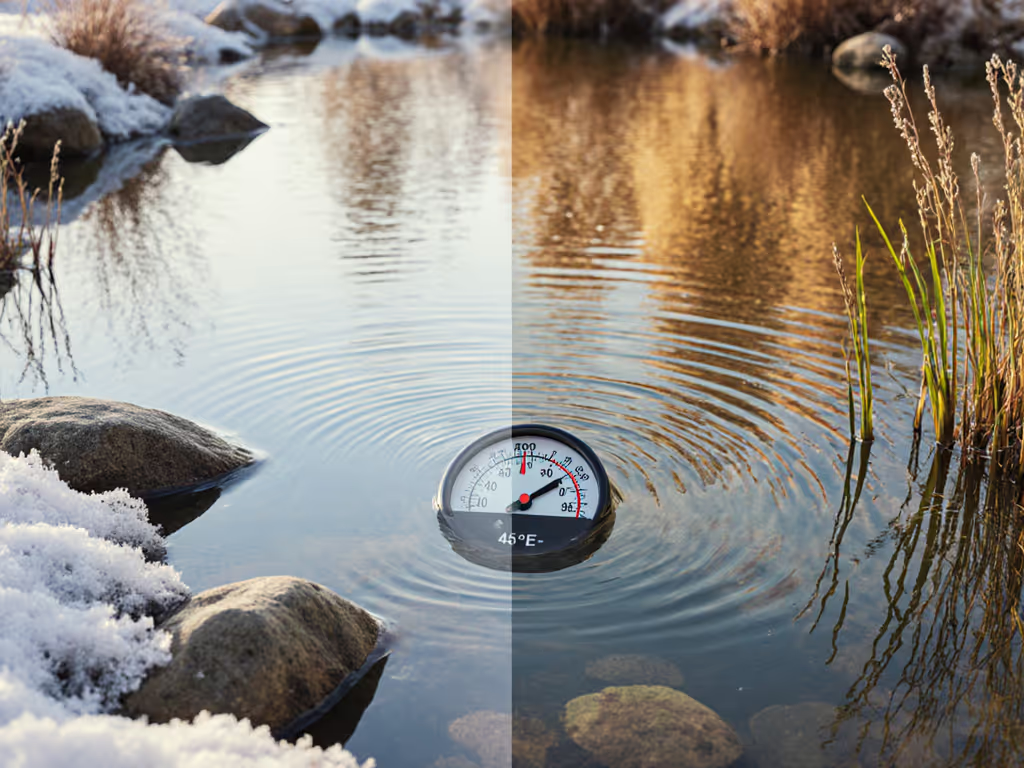
If you've ever dumped a full canister of expensive pond pellets into water that was 38°F, only to watch them sit on the bottom untouched while your fish stayed dormant, you've learned a hard lesson about seasonal feeding. But here's the thing: most of the complexity people add to pond feeding is noise. Skip the fancy timing charts and subscription meal plans. Temperature is your actual governing rule. Get that right, and everything else falls into place.
I learned this the hard way years ago when I fostered a rescue betta on a shoestring budget. The 'auto' feeder I'd splurged on jammed in cold water, and I ended up hacking a pill organizer and a vibration motor into a micro-doser. What mattered wasn't the gear; it was consistency and matching the fish's actual metabolic capacity to what I fed. The same principle applies to ponds, just at a bigger scale. If you're moving from aquariums to outdoor water features, read our pond vs aquarium feeder differences to avoid costly mistakes. Waste less food, grow more life, and you'll save money while keeping your fish healthier.
Why Temperature Matters More Than Your Feeding Calendar
Your pond fish are cold-blooded. That's not poetic; it's the entire foundation of seasonal feeding. When water temperature changes, their metabolism doesn't just adjust slightly. It collapses or accelerates dramatically. You can't feed a 35°F pond the same portions as a 75°F pond without causing harm, no matter what month it is or what your calendar suggests.
Here's the skepticism you need: Most generic feeding guides are wrong because they anchor to months, not temperature. For a complete walkthrough of adjusting schedules by water temperature, see our seasonal feeding guide. April might mean spring in your region, but if it's still cold, your fish aren't metabolizing spring food. Conversely, a warm November might demand different feeding than a cool September. Temperature-based feeding schedules aren't fancy: they're the only approach that actually matches reality.
When water temperatures drop below 40°F, your fish's digestive system essentially shuts down. Food that lands in their stomach begins to rot rather than digest. That's not just inefficient. It causes complications, stunts growth, and degrades water quality as waste accumulates. Overfeeding during cold months is a classic false economy: you think you're being thorough, but you're actually poisoning the pond while wasting feed.
The Temperature-Based Feeding Framework
These are the only rules you actually need:
1. Below 40°F: Stop feeding completely
Your fish enter a dormant or near-dormant state. They don't need food; they need you to leave them alone. This is not negotiable, and no supplement or special formula changes it. Accept this, and you've already eliminated 90% of seasonal feeding mistakes.
2. 40-50°F: Introduce wheat germ food sparingly
As temperatures climb out of the danger zone, you can begin offering food, but skeptically and in small amounts. Wheat germ is easier to metabolize than standard summer pellets at these temperatures. Koi and goldfish owners may benefit from species-specific koi feeding essentials tailored to cold-water metabolism. Start with 1-3 feedings per week on the warmer days within this range, and skip feeding on colder days. Your fish don't eat consistently, so why should you feed them consistently?
Wait until water temperatures stabilize between 45-55°F before feeding more regularly. Rushing this transition with summer-grade food signals a misunderstanding of what your fish need right now. Let their appetites rebuild naturally. They'll snack on algae and natural food sources in the meantime (that's not starvation; that's how ponds work).
3. 50-65°F: Gradual transition to increased feeding
Once water temperatures hold reliably above 50°F, you can begin the shift toward your active season schedule. Still use wheat germ, but increase frequency to daily or every other day on warmer stretches. Monitor your fish during this window; they'll signal readiness through increased activity and surface feeding behavior.
By the time temperatures touch the mid-60s, you can transition to standard summer pellets and increase portions. But 'increase' doesn't mean dump. Feed what your fish consume in 2-3 minutes. Anything left sinks and decays.
4. 65°F and above: Full active-season feeding
Your fish are metabolically active now. Feed 1-2 times daily with high-quality summer pellets, adjusting portions based on how quickly food disappears. This is when your fish grow, when they're active, and when consistent feeding directly translates to health and color.
But here's where skepticism matters again: more expensive food doesn't automatically produce better results if the fundamentals are wrong. A cheap, consistent feeding routine with proper portions will outperform irregular feeding of premium pellets. Fundamentals beat gadgets every single time.
5. 65-50°F (fall transition): Reverse the spring pattern
As temperatures drop in autumn, mirror your spring strategy in reverse. Move back to wheat germ-based foods, reduce frequency, and gradually lower portions as the calendar turns toward winter dormancy. By late October or early November, depending on your region, you should be cutting feeding dramatically.
This isn't pessimism: it's respect for seasonal biology. Fish thrive on predictable rhythms. Fighting against the seasons costs time, money, and fish health.
What Skepticism Reveals About Common Feeding Mistakes
Mistake 1: Feeding by calendar instead of temperature
You see "April: begin spring feeding" and assume that applies to you. It doesn't. If your water is 38°F in April, your fish need nothing. If your September water is 68°F, your fish still need active-season portions. The calendar is decoration. Temperature is law.
Mistake 2: Assuming more food equals better growth
Overfeeding is the single most common source of water quality problems in ponds. Excess food becomes excess waste, which becomes excess nutrients, which fuels algae blooms and crashes dissolved oxygen. Your fish don't grow faster on more food; they suffer from poisoned water.
Mistake 3: Using summer pellets in cold water
Standard pellets are carbohydrate-heavy and designed for active metabolism. They sink slowly and may linger in cold water, beginning decomposition before fish can process them. Wheat germ floats longer and is structurally designed for cooler-water digestion. Using the wrong food type isn't just wasteful; it directly sabotages water quality.
Mistake 4: Feeding sporadically and expecting consistency
Sustainable, consistent feeding beats expensive gear when fundamentals are right. If you feed randomly, your fish oscillate between hunger and digestive stress. If you establish a rhythm tied to temperature windows, your fish stabilize, your water clarifies, and your waste decreases. The only complexity here is the discipline to observe and adjust.
Actionable Steps to Implement Temperature-Based Feeding
Start here:
- Install a reliable, floating pond thermometer. It costs $10-20 and is the single most important tool you'll own. Check it daily, especially during seasonal transitions.
- Identify your local temperature thresholds. When does 50°F typically arrive in spring? When does it drop below 50°F in fall? Note these dates roughly. This becomes your transition window.
- Plan your food rotation now. Buy wheat germ and standard summer pellets in quantities that align with your seasonal windows. Smaller, frequent purchases beat buying bulk and storing food that loses potency. Learn best practices in our fish food storage guide to prevent clumping and nutrient loss.
- Create a simple feeding log (even just notes on your phone). Record water temperature, what you fed, how much the fish ate. After one full cycle, you'll see patterns specific to your pond. This data beats any generic advice.
- Next seasonal transition, feed by thermometer, not calendar. When your target temperature threshold arrives (whether it's earlier or later than last year), adjust your schedule accordingly.
This is how you waste less food, grow more life, and spend wisely. No expensive automation required, no overcomplicated systems. Just temperature, attention, and consistency. Get those three things right, and your pond thrives while your costs fall.
Related Articles
Ecosystem Pond Feeding: Fish Pond Feeders for Wildlife Balance
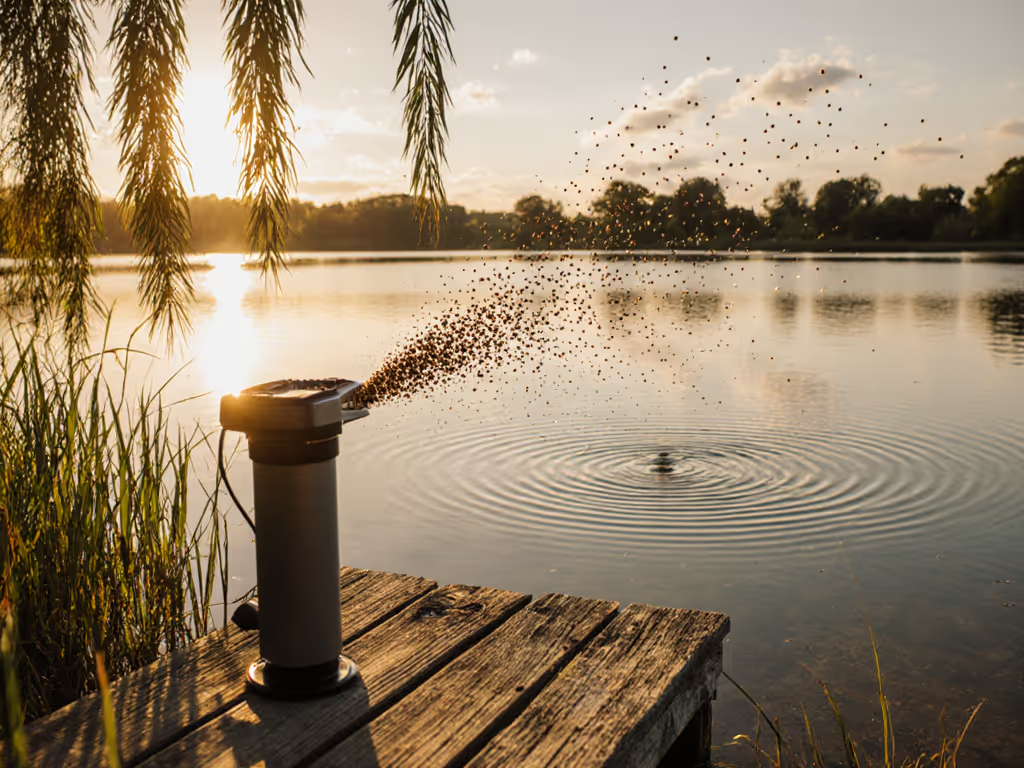
Turn automatic feeding into ecosystem care: dispense only what fish eat in 2–3 minutes, feed by water temperature, and watch behavior to keep water clear and wildlife balanced. Practical steps show how to avoid algae blooms, wasted food, and stressed fish.