Ecosystem Pond Feeding: Natural vs. Automatic
By Sana Okeke • 12th Apr
Choosing between ecosystem pond feeding and automatic systems is not a choice between convenience and neglect, it's a decision about how your pond's nutrient cycles, oxygen production, and fish health will actually function under real-world conditions. For homesteaders and hobbyists managing established ponds, understanding the trade-offs between letting nature handle feeding and introducing mechanical feeders requires looking beyond the marketing and asking the question I always return to: How does this live day to day?
The tension between natural and automatic feeding approaches reveals something fundamental about pond management: neither option is inherently superior. Instead, your decision depends on your specific ecosystem structure, the biodiversity you've established, and (critically) whether you can maintain whatever system you choose consistently, every single time.
Natural Feeding: The Self-Sustaining Approach
A balanced pond ecosystem doesn't require constant human intervention because it operates on biological cycles. Beneficial bacteria form the unseen foundation of any self-sustaining pond, breaking down organic matter and processing nitrogen in forms less toxic to fish and aquatic life[2]. Plants, including submerged, marginal, and floating varieties, absorb excess nutrients that would otherwise fuel algae blooms, while their roots anchor sediment and create habitat[1]. If your pond attracts birds, amphibians, and insects, see our wildlife pond feeding guide for strategies that preserve balance while supporting fish.
In a naturally fed system, this biological infrastructure supports a food web. Planktonic algae provides forage for small fish, which become prey for larger species. Aquatic insects reproduce and offer protein. Over time, this interdependence reduces your active feeding burden because the balanced pond ecosystem sustains itself through photosynthesis and nutrient recycling[1][2].
However, and this is where scenario-based thinking matters, natural feeding assumes several conditions are already in place:
- Adequate plant coverage: Research suggests aiming for 70% of pond edges open and sunny to balance plant growth and light penetration[9]
- Established microbial populations: Bacteria and fungi take weeks to months to colonize and process nutrients efficiently
- Low nutrient influx from the watershed: Sediment and nutrient runoff from surrounding land directly undermines this approach[4]
- Sufficient population diversity: A monoculture of one fish species will quickly exhaust natural food sources
The natural approach excels when you have a mature, well-established pond with minimal anthropogenic nutrient inputs. It minimizes your daily time commitment and creates a resilient system. But it demands patience during the establishment phase and careful attention to upstream management, leaving that unfertilized 50-foot buffer around your pond perimeter isn't optional, it's foundational[7].
Automatic Feeding: Control and Precision
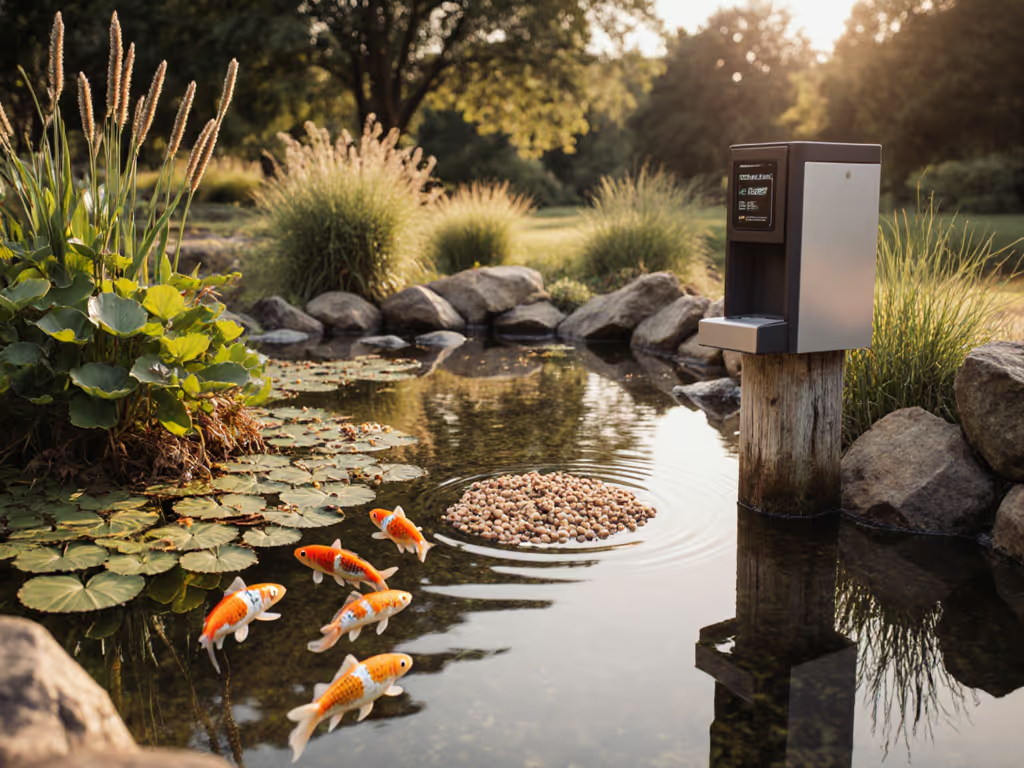
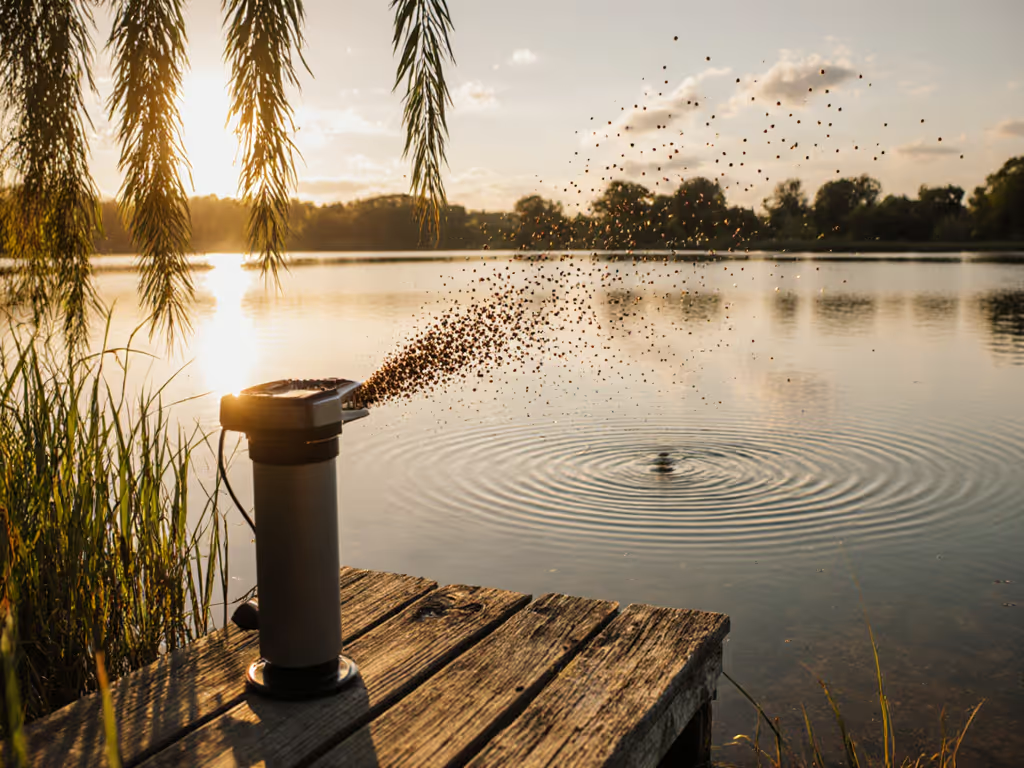
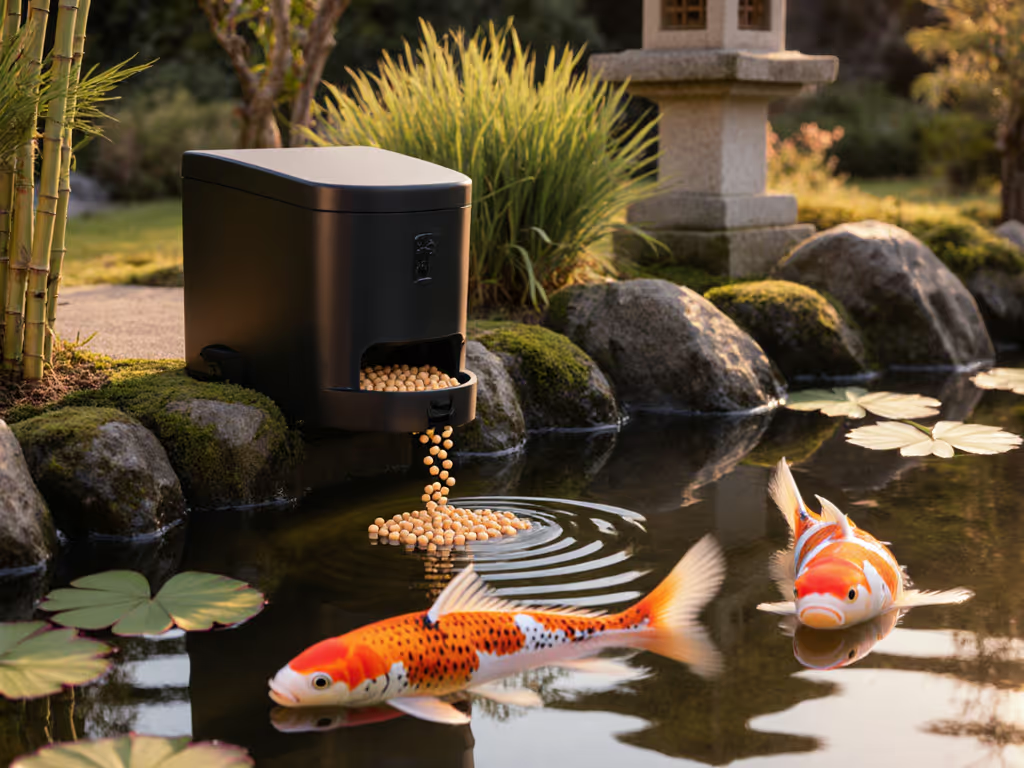
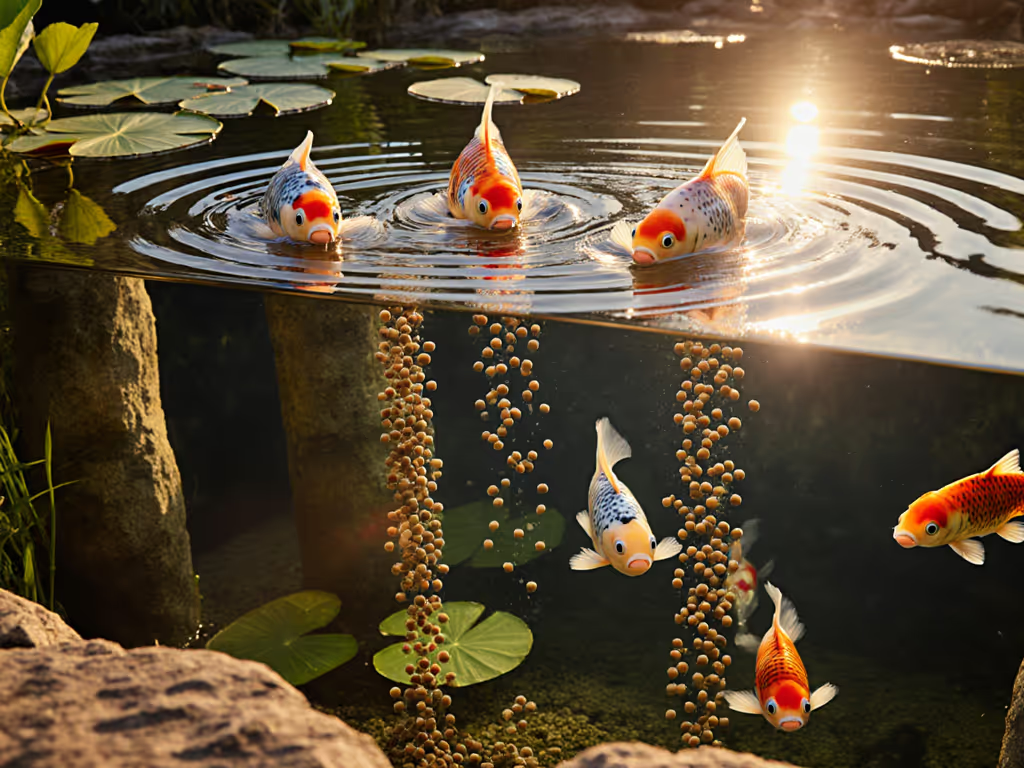
Fish pond feeder systems offer something natural ecosystems cannot: consistent portion control and predictable schedules. Automatic feeders dispense meals at intervals you set, eliminating the human error of overfeeding (which spikes ammonia and nitrates) or underfeeding (which stresses fish and stunts growth).
From a data standpoint, automatic feeders provide measurable advantages:
- Precise daily portion sizes prevent nutrient overload
- Scheduled feeding maintains consistent water chemistry
- You can feed while away, eliminating the anxiety of vacation management
- Multiple feeding times per day can match fish metabolism more closely than manual once-daily feeding
Before a two-week trip, I tested three feeders across different tank conditions. Only the unit with a locking hopper, gasketed drum, and intuitive interface survived humidity and prevented pellet swelling (a pragmatic reminder that buy once, maintain easily, and sleep well on travel days is more than convenience rhetoric). It's a risk-management principle. A malfunctioning feeder during your absence creates the exact scenario your hobby shouldn't create: preventable fish loss and water chemistry collapse[4].
The catch: automatic feeders are mechanical systems requiring maintenance workflows. Hoppers must stay dry, dispensing mechanisms must clear blockages, and electronics must function reliably. They also don't replace the biological infrastructure of the pond. A natural feeding strategy still needs aeration, plant life, and bacteria, automatic feeders just add precision on top.
Comparative Framework: When Each Approach Succeeds
| Factor | Natural Feeding | Automatic Feeding |
|---|---|---|
| Setup time | Weeks to months | Days |
| Daily intervention | Minimal (observation only) | Minimal (monitoring) |
| Maintenance burden | Low ongoing, high initial | Higher ongoing (equipment care) |
| Nutrient control | Dependent on ecosystem maturity | Precise and adjustable |
| Reliability for travel | Requires established system | Requires equipment reliability |
| Cost | Plants and bacteria cultures | Feeder + power + replacement parts |
| Flexibility | Low (ecosystem dictates) | High (adjustable schedules) |
| Redundancy | Natural food web survives failures | Single point of failure if equipment breaks |
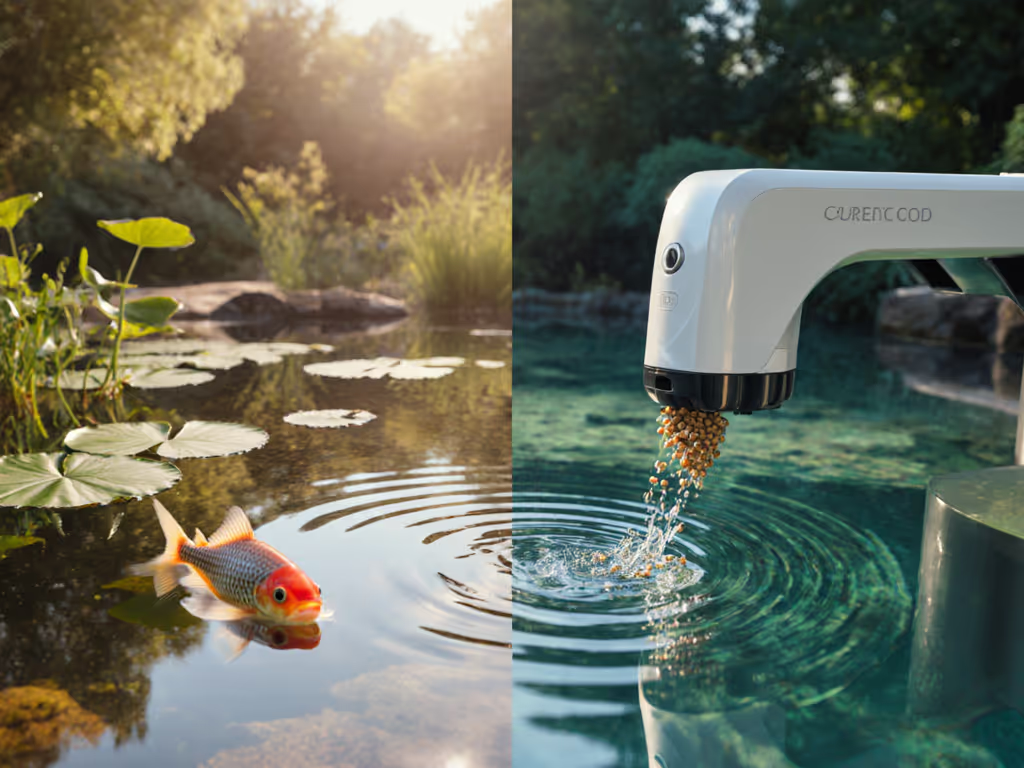
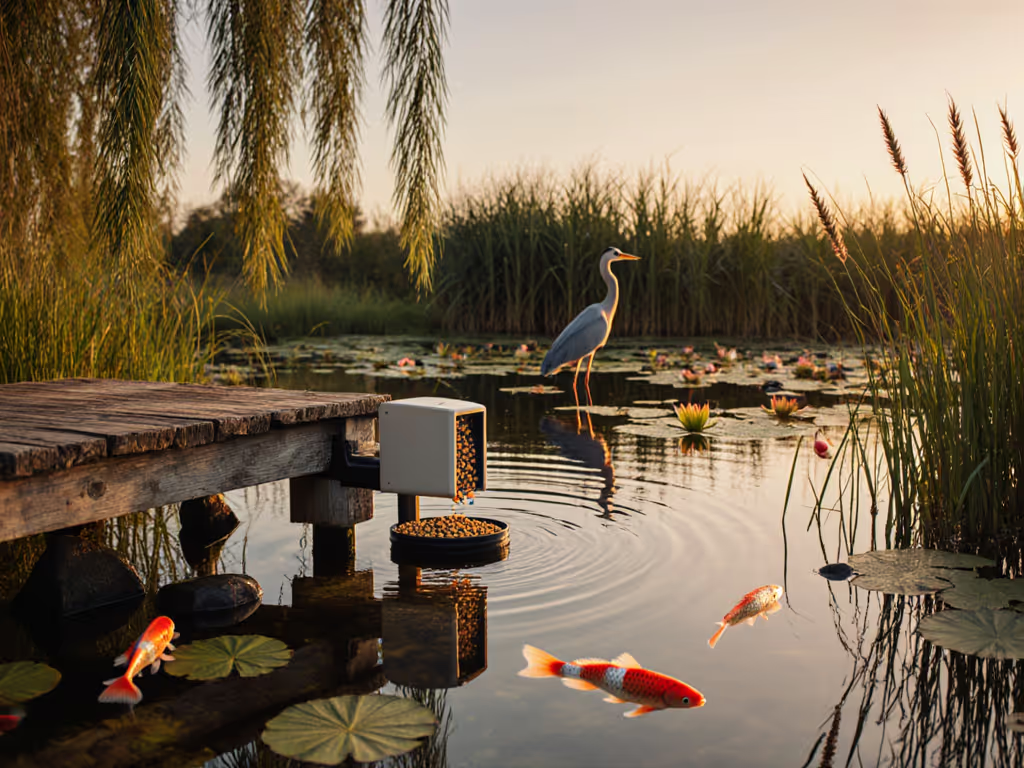
The most successful approach I've encountered (and this applies across diverse tank types) combines elements of both. You establish the biological infrastructure for pond wildlife balance through plants, aeration, and beneficial bacteria[1][2]. Then, automatic feeding supplements what the ecosystem naturally provides, reducing reliance on mature food webs during establishment or when stock density exceeds natural productivity[6]. Feeder selection and placement matter too—our floating vs submerged pond feeders guide explains how depth, species, and maintenance needs should shape your choice.
The Maintenance Imperative
Here's what separates thriving systems from failing ones: not the choice of feeding method, but your ability to maintain it correctly, consistently, under real conditions. A beautiful automatic feeder becomes a liability if you skip hopper cleaning, ignore gasket degradation, or delay battery replacement. An ecosystem-based approach becomes a nutrient trap if you don't monitor shoreline vegetation or address upstream erosion[4].
The pragmatic question isn't "Which is best in theory?" It's "Which can I actually execute?" If your schedule is irregular, travel is frequent, or your timeline is compressed, automatic feeding with robust serviceability wins. If you have time for establishment and your environmental conditions are stable, natural feeding minimizes long-term complexity[1][3].
Actionable Next Steps
-
Audit your watershed: Identify nutrient sources entering your pond. Control sediment and nutrient influx before deciding between feeding approaches, this is non-negotiable for either strategy[4][7]
-
Assess your ecosystem maturity: If your pond is younger than 6 months, prioritize establishing plants, aeration, and bacterial colonies. Automatic feeding becomes supplementary, not primary[1][2]
-
Evaluate your reliability capacity: For each potential system, ask: Can I maintain this equipment through seasonal changes, travel schedules, and equipment failures? The answer determines whether you choose automation or natural processes[6] If winter freezes are part of your climate, our cold-weather pond feeder tests show which mechanisms actually survive sub-zero conditions.
-
Implement hybrid management: Establish natural feeding infrastructure (plants, aeration, bacteria), then add automatic feeding only for specific needs, supplementing underproductive periods or maintaining stability during your absence
-
Document and observe: Track water parameters, fish behavior, and food web activity. Data-driven adjustments will reveal whether your current approach is actually working or just appearing to work
The most resilient ponds aren't those with the fanciest feeders or the most elaborate ecosystem design. They're the ones where the person managing them understands their own constraints and chooses systems they can maintain correctly every single time, because that's what separates thriving ecosystems from managed disasters.
Related Articles
Ecosystem Pond Feeding: Fish Pond Feeders for Wildlife Balance
Turn automatic feeding into ecosystem care: dispense only what fish eat in 2–3 minutes, feed by water temperature, and watch behavior to keep water clear and wildlife balanced. Practical steps show how to avoid algae blooms, wasted food, and stressed fish.